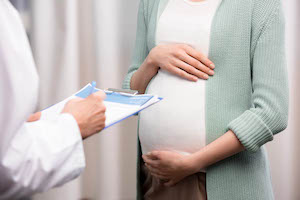
According to psychopharmacologist Dr. David Healy, SSRIs during pregnancy pose significant risks, including doubled rates of miscarriage, birth defects like cardiac malformations, preterm birth, low birth weight, preeclampsia, postpartum hemorrhage, and neonatal adaptation syndrome. Evidence links them to long-term child outcomes such as autism spectrum disorders, speech delays, and neurobehavioral issues, with animal studies showing asocial offspring. Healy argues mainstream claims of safety stem from pharma-influenced studies and ghostwriting, overstating untreated depression risks while ignoring SSRI ineffectiveness for non-melancholic “depression” (often anxiety). Alternatives like therapy or avoiding meds for mild cases are preferable; independent registries are needed. (98 words)
A silent, large-scale experiment is being conducted on developing babies, and the public is in the dark.
A silent, large-scale experiment is being conducted on developing babies, and the public is in the dark.
— Camus (@newstart_2024) August 24, 2025
Nearly 1 in 4 middle-aged women are on antidepressants. Up to 5% of women are prescribed them during pregnancy. Never before in human history have we chemically altered the… pic.twitter.com/Xs5QCYpxP5
Nearly 1 in 4 middle-aged women are on antidepressants. Up to 5% of women are prescribed them during pregnancy. Never before in human history have we chemically altered the fetal brain so pervasively.
The evidence is overwhelming, yet the warnings are absent.
A landmark legal case against GSK over Paxil causing birth defects resulted in a billion-dollar verdict. Where there are birth defects, there is also a significant risk for Autistic Spectrum Disorder (ASD). The link between SSRIs and ASD has been evident for over a decade.
The findings grow more alarming:
- Mothers on SSRIs during pregnancy have a tenfold greater risk of having a child with fetal alcohol syndrome.
- Canadian guidelines now state SSRIs can cause alcohol use disorder.
Yet, the drug labels remain silent.
We are medicalizing the human experience itself. “Depression” is diagnosed in 8-10 minutes with a subjective checklist—there is no objective test. By convincing society that normal emotional experiences are symptoms of a chemical imbalance, we have created a culture of fear around our own emotions.
The result? We judge our inner lives instead of understanding them. We have not reduced the burden of mental illness; we may have increased suffering.
True informed consent is a legal and ethical imperative. It is impossible when the full risks—especially to the most vulnerable—are concealed.
This is based on the critical work of experts like Dr. David Healy, a psychopharmacologist and Pharma insider who turned whistleblower. Having seen the hidden internal documents as an expert witness, his testimony holds immense gravity.
It is far past time for regulatory agencies to hold open panel discussions and mandate strong, clear warnings. The health of future generations depends on it.
"You might think that telling women about the potential risks of taking antidepressants during pregnancy would be uncontroversial… You would be wrong!"
— Adam Urato, MD (@AdamUrato1) August 26, 2025
New article on the recent FDA panel re: SSRIs & pregnancy with @joannamoncrieff https://t.co/orj9pgTyjF
More
When SSRIs came out, the FDA was deluged with reports of suicide, homicide and mass shootings caused by those "antidepressants."
— A Midwestern Doctor (@MidwesternDoc) September 6, 2024
Lawsuits then revealed the industry knew that risk, but, just like now, the FDA hid it from the public.
This FDA 1991 hearing will blow you mind. A🧵 pic.twitter.com/n2NKckXQmK
Pharma's goal is to get you on as many drugs as possible, so many widely used ones cause injuries that require more pills.
— A Midwestern Doctor (@MidwesternDoc) October 22, 2024
Here @elonmusk and @TuckerCarlson discuss how birth control pill side effects get women put on SSRI antidepressants and how SSRIs cause mass shootings. A🧵 pic.twitter.com/wGP7pc4vQX